
06.09.26-Articles-Corporate

Your Most Valuable Leadership Meetings Might Be Happening at 45,000 Feet

THE ROBAI™ FRAMEWORK SERIES • ARTICLE 5 OF 7 • ORGANIZATIONAL EFFECTIVENESS

By Bas de Bruijn, Head of Aviation Advisory Services, Clay Lacy Aviation

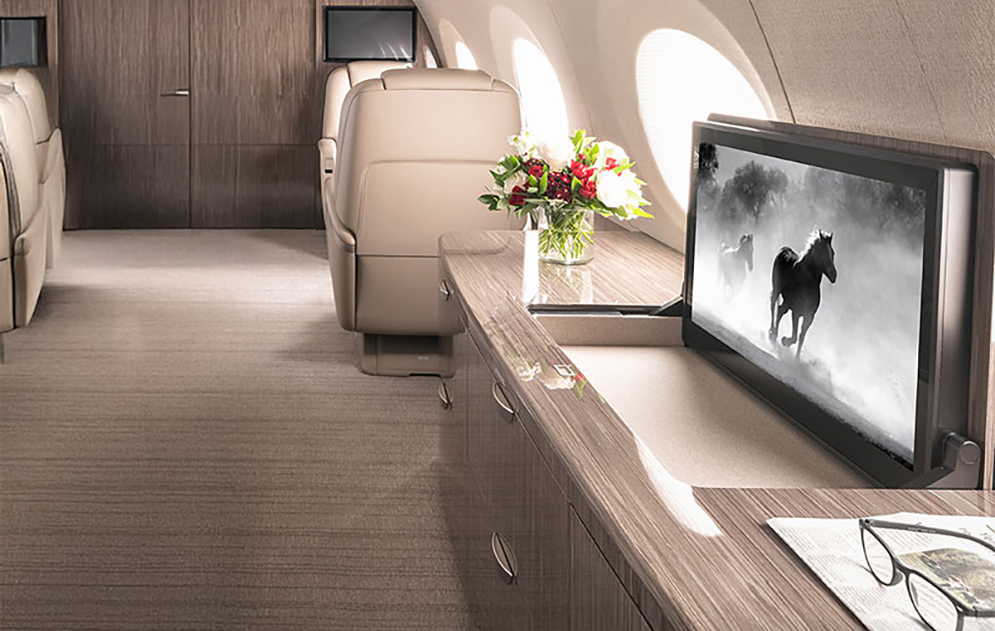
There is a scene that anyone who has spent time around corporate aviation will recognize. Two or three senior executives, settled into a cabin somewhere over the middle of the country, an hour into a flight that will take two. The formal agenda for the day ahead has been reviewed. The laptops are open, or they aren’t. And then something happens that no calendar block was scheduled for — a real conversation. Unguarded, unstructured, and often more strategically valuable than anything that will occur at the destination.

It doesn’t happen on commercial flights. It can’t. The environment doesn’t allow it.

What happens in that cabin is the fourth ROBAI™ value driver. And it may be the one that ties all the others together.


The dimension that utilization reports miss entirely

Corporate aviation has always generated data about movement — where the aircraft went, how long it flew, who was on board. What it has never generated data about is what happened between departure and arrival. The conversations that aligned two executives who had been working at cross-purposes. The decision that got made in the air that would have taken three more weeks of calendar coordination on the ground. The moment a rising leader, invited onto the aircraft for the first time, felt the organization invest in them in a way that no performance review had ever communicated.

These are not isolated observations. They are, in the language of organizational psychology, consistent with expressions of work engagement — and they surfaced repeatedly across the research.


What the research found about engagement and the travel environment

Both the Job Demands-Resources Model and the Person-Environment Fit Model converge on a shared prediction: when the environment fits the needs and values of the people within it, engagement increases. Not marginally — meaningfully, across all three of its core dimensions.

Work engagement, as defined in the research literature, is characterized by vigor, dedication, and absorption. Vigor is the energy and resilience that people bring to their work. Dedication is the sense of significance, pride, and enthusiasm they feel toward it. Absorption is the deep focus and immersion that marks performance at its highest level.

The research identified all three as consistent themes in the experiences participants described following corporate aircraft travel. They arrived energized rather than depleted. They described a heightened sense of connection to the organization and to the work ahead. And they reported a quality of focus and presence that the accumulated demands of commercial travel had consistently prevented.

The aircraft, in those moments, was functioning as an organizational development tool. One that nobody had designed it to be, and that no talent program was replicating.


“When you get a more junior person on the plane, they really feel connected to the company. It’s a great way to motivate and engage up-and-coming talent. It goes a long way for employee morale and helps people feel that sense of connectedness.”

— Research Participant


The hedonic dimension — and why it matters strategically

The research also identified what it characterizes as a hedonic experience associated with corporate aircraft travel — a dimension of positive engagement that goes beyond stress reduction into something more active. Participants described excitement, calm, and a sense of being valued by the organization that translated directly into motivation and commitment.

This matters strategically because engagement is not a static condition. It responds to experience. An executive who travels frequently by corporate aircraft and arrives consistently energized, focused, and organizationally connected is not just performing better on individual trips. They are building a pattern of engagement that compounds over time — accumulating the vigor, dedication, and absorption that sustained high performance requires.

The inverse is equally true, and equally important. The executive who travels relentlessly on commercial airlines, absorbing the cumulative demands that the research documents — the fatigue, the work-family conflict, the erosion of cognitive resources — is not simply tired. They are disengaging, often without realizing it, from the organization that is asking so much of them.


The driver that connects the other three

Organizational effectiveness is the fourth ROBAI™ value driver. It is the hardest to quantify and, in some respects, the most important to understand.

Executive productivity describes what corporate aviation preserves in individual leaders. Decision velocity describes what it enables in the market. Talent retention describes what it protects over time. Organizational effectiveness describes what it builds — the engagement, alignment, and collaborative capacity that accumulates when leaders consistently experience a travel environment that fits who they are and what the work demands of them.

Together, these drivers reframe what a flight department actually does for the organizations it serves. Not transportation. Not a perquisite. Not a line item to be defended at budget time.

A strategic resource. One whose potential return — estimated through the ROBAI™ framework, grounded in peer-reviewed research — belongs in a conversation about enterprise value, not operating cost.

That conversation is available. And for the organizations willing to have it, it tends to change how they think about what they already have.


Ready to explore what your aviation program could be contributing across all five ROBAI™ drivers? The next article in this series examines Organizational Resilience — the security and risk dimension of executive mobility. Or, if you’re ready to begin now, Clay Lacy Aviation Advisory Services is ready to engage. Get in touch.


ABOUT THE AUTHOR

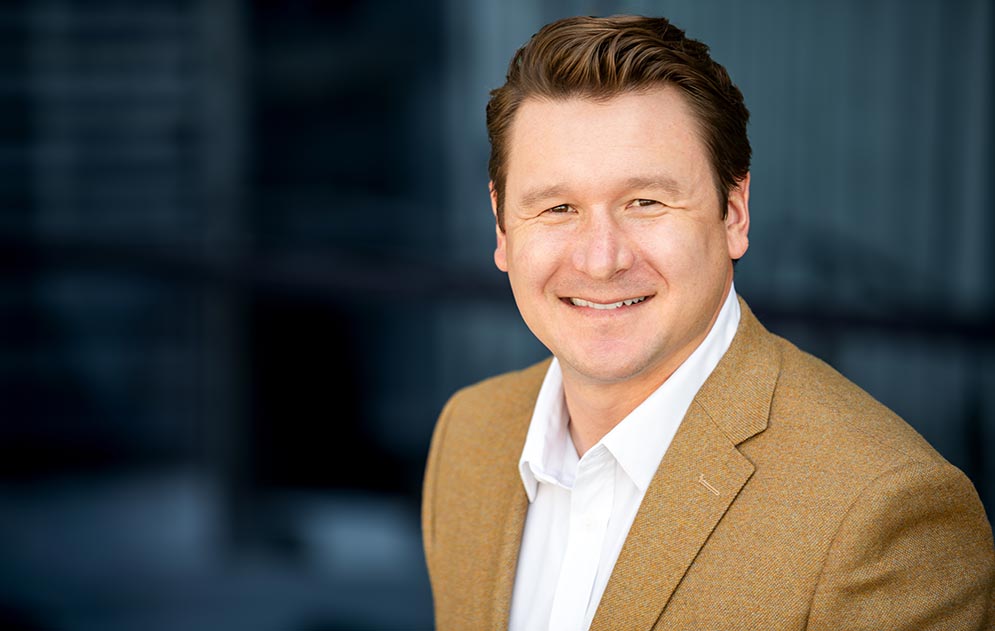
Bas de Bruijn serves as Head of Advisory Services at Clay Lacy Aviation, where he advises corporate and private flight departments on aligning aviation operations with broader business and organizational objectives. His peer-reviewed research, published in the Journal of Air Transport Management, examines how business aviation influences executive well-being, engagement, and organizational performance. His work reframes corporate aviation not as a luxury or perk, but as a strategic resource that preserves executive energy, supports sustainable performance, and delivers measurable value through a human capital lens.